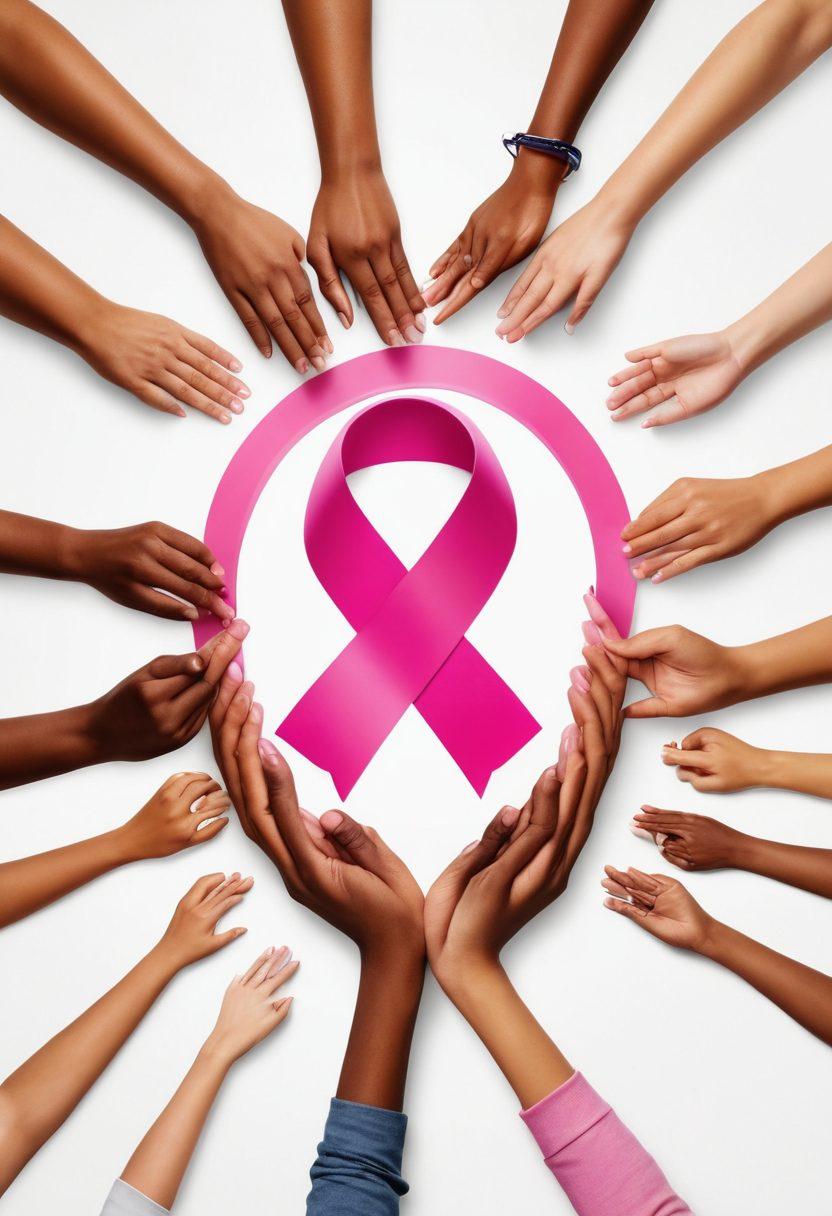
Empowering Lives: A Comprehensive Guide to Cancer Awareness and Prevention
Navigating the journey of cancer awareness and prevention can feel like a daunting task, yet it is one of the most vital journeys we can embark on for ourselves and our loved ones. Each year, cancer continues to affect millions, transforming lives with its shadow of malignancy and forcing families to face complex emotions and challenges. With the correct information and resources, however, we can empower ourselves with essential health education and effective disease management strategies. Have you ever wondered what steps you can take to enhance your chances of prevention and early detection?
Understanding the landscape of oncology is crucial for anyone navigating this complicated world. Cancer is not a singular disease; rather, it encompasses an array of tumors that vary in severity, treatment options, and recovery pathways. Cancer statistics reveal staggering discrepancies in survival rates across different types of cases and demographics, which highlights the necessity for tailored cancer awareness initiatives. Ask yourself: Are you aware of the symptoms or risk factors associated with certain cancers? This knowledge can be a catalyst for empowering individuals and families to seek timely diagnosis and treatment, thereby improving outcomes significantly.
Moreover, embracing a lifestyle that promotes holistic health is essential in our quest for cancer prevention. Simple yet impactful lifestyle changes can serve as preventive measures against chronic illnesses, including cancer. Nutrition and cancer have a profound relationship, which means what you consume can directly influence your health. Start by incorporating nutrient-dense foods into your diet—think colorful fruits and vegetables, lean proteins, and whole grains. Are you ready to explore and implement health tips that can enhance your quality of life and potentially lower your cancer risk?
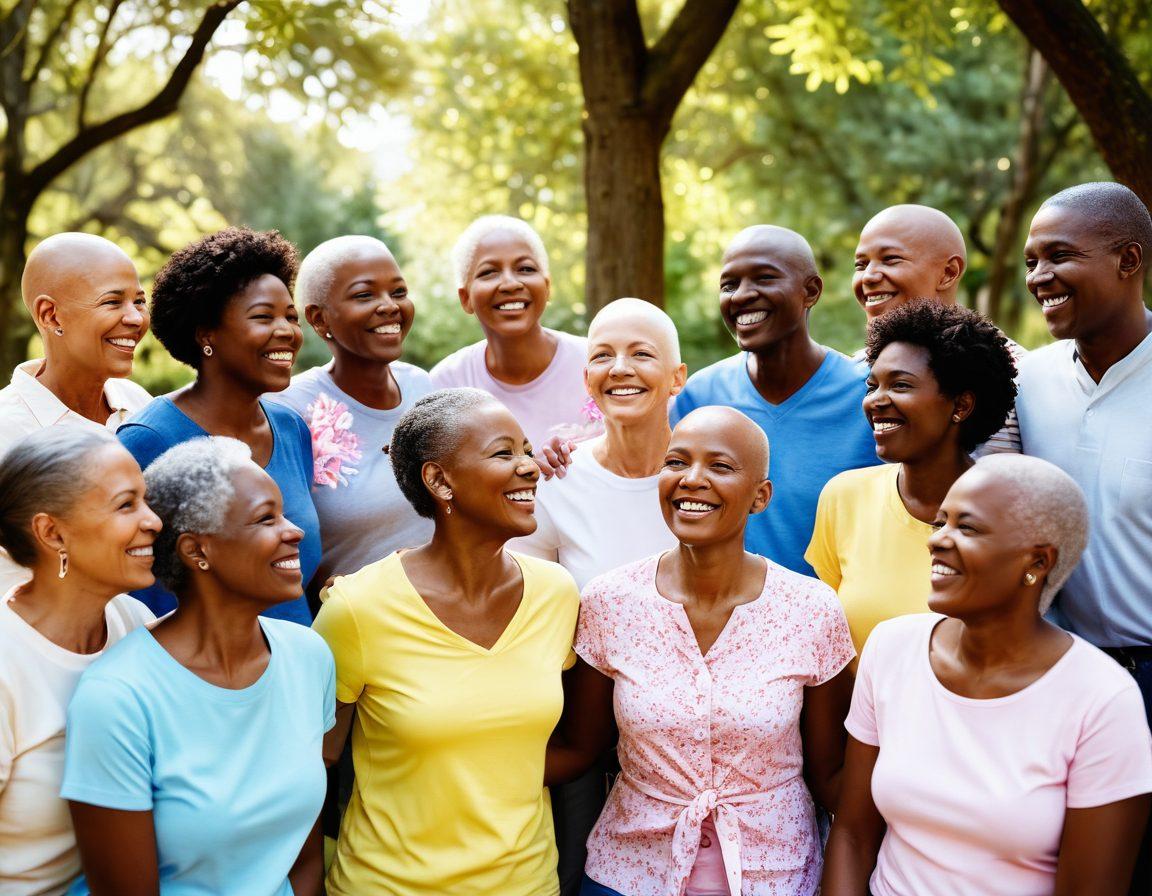
In addition to lifestyle and nutrition choices, engaging in community support groups and patient advocacy can be transformative during the cancer journey, whether through early detection or cancer recovery. Sharing survivor stories can kindle hope and resilience, offering a glimpse into the shared experiences of those who have walked similar paths. These groups often provide invaluable emotional support, allowing individuals to feel less isolated and more equipped to handle the challenges they face. Have you considered reaching out to connect with others who understand your journey?
Finally, don’t underestimate the importance of screening tests in your preventive regimen. Regular examinations and clinical trials play an essential role in symptom management and enhancing patient care. As research advances, new treatment options emerge, often leading to improved outcomes for many. By staying informed about the latest resources and breakthroughs in oncology, we can take proactive steps to manage our health. Are you ready to champion your own journey and contribute to the fight against cancer? Empowering ourselves and those around us starts with awareness—let’s embark on this journey together.
Empowering Survivors: Strategies for Effective Cancer Recovery and Support
In a world where cancer impacts millions, empowering survivors to navigate their recovery journey becomes crucial. Imagine waking up one day to the news that you have a malignancy, a tumor, or a diagnosis that can turn your life upside down. The aftermath often leaves survivors swimming in a sea of uncertainty. How can you reclaim your life while managing a chronic illness? The answer lies in effective cancer recovery strategies, health education, and a supportive community that embraces patient advocacy. This blog delves into the heart of recovery, shedding light on vital health tips and sharing powerful survivor stories that inspire hope and resilience.
Understanding that cancer recovery does not end with treatment is a game changer for many. It's about embracing a holistic health approach that encompasses emotional, physical, and mental well-being. As you embark on this path, consider the preventive measures that can make a difference. Nutrition and cancer go hand in hand. A balanced diet enriched with whole foods can enhance your quality of life and potentially mitigate the risk of recurrence. Have you tried incorporating more greens or superfoods into your meals? Let's explore how lifestyle changes can create pathways for healing, making your cancer recovery journey even more vibrant.
The statistics surrounding cancer can be daunting. Did you know that early detection through screening tests can significantly improve outcomes for many forms of cancer? Engaging in regular health education empowers you with knowledge about your options – from treatment options to clinical trials; you're not just a passive recipient of care. Instead, you become an informed advocate for your health, asking questions and exploring every available resource. This shift in perspective transforms your journey into one of active participation rather than mere endurance.
Moreover, the power of connection should never be underestimated in the realm of disease management. Support groups provide a safe haven where individuals can share experiences and explore their feelings about cancer together. The camaraderie formed in these groups reinforces that no one is alone in this battle. As you connect with fellow survivors, how can these relationships enhance your recovery? Ask yourself, what can you learn from their stories? The beauty of survivor stories lies in their ability to provide hope and practical advice, bridging the gap between despair and recovery.
Finally, remember that recovery is not just about battling cancer – it’s about embracing a new outlook on life. As you carve out your journey, prioritize self-care, seek out health resources, and never hesitate to lean on your support network. From symptom management techniques to understanding cancer statistics, knowledge is indeed power. What small change can you implement today that fosters your journey towards a healthier, more fulfilled life? Let's inspire each other and weave our stories together, painting a portrait of strength, resilience, and joy amidst the challenges of cancer recovery.
Transforming Lives: Integrative Approaches to Tumor Management and Quality of Life
Cancer affects millions worldwide, but what if the story didn’t have to end there? What if, instead, we could rewrite the narrative for ourselves and our loved ones? As we navigate the complexities of oncology, we find that understanding and empowerment can pave the way toward brighter tomorrows. When we approach tumor management with integrative strategies, we not only change the course of malignancy but also enhance the quality of life for patients and families alike. Let’s explore how you can transform lives through cancer awareness and prevention today!
Imagine walking into a room filled with vibrant survivors sharing their inspiring stories — stories of hope, struggle, and resilience. This is the power of support groups! They play a pivotal role in disease management, allowing individuals to connect and share firsthand knowledge about treatment options, symptom management, and recovery strategies. It’s these shared experiences that often lead to the best health tips. Whether you're a patient, caregiver, or advocate, participating in support systems enriches the journey towards better health and well-being.
Did you know that lifestyle changes can have a remarkable impact on cancer prevention? From nutrition and cancer research to exercise, integrating small yet effective alterations in your daily routine can lead to significant changes. Eating a balanced diet rich in fruits, vegetables, and whole grains not only supports your immune system but might also deter the development of certain tumors. Now, picture incorporating daily walks or yoga sessions into your life. These simple adjustments could enhance your health education while providing a sense of community at local fitness events focused on cancer awareness.
Never underestimate the power of knowledge! Clinical trials represent a beacon of hope in the oncology field, offering cutting-edge treatment options to patients seeking new frontiers in their cancer treatment journey. Statistically speaking, patients participating in these innovative studies often report better quality of life outcomes. Therefore, being proactive about understanding cancer statistics, treatment advances, and screening tests can empower those affected by malignancy to make informed decisions about their healthcare options.
Lastly, let’s dive into the holistic health approach: a strategy that embraces both the mind and body in the fight against cancer. It’s about weaving together traditional cancer care with complementary therapies, spiritual well-being, and nutrition focused on creating a strong foundation for recovery. Embracing cancer recovery doesn’t just mean an end to illness; it means cultivating a lifestyle where well-being flourishes. How can you adopt these principles in your own life or the lives of those around you? The journey is challenging, yes, but the rewards are innumerable, and better days await!